 WILD SPECIES
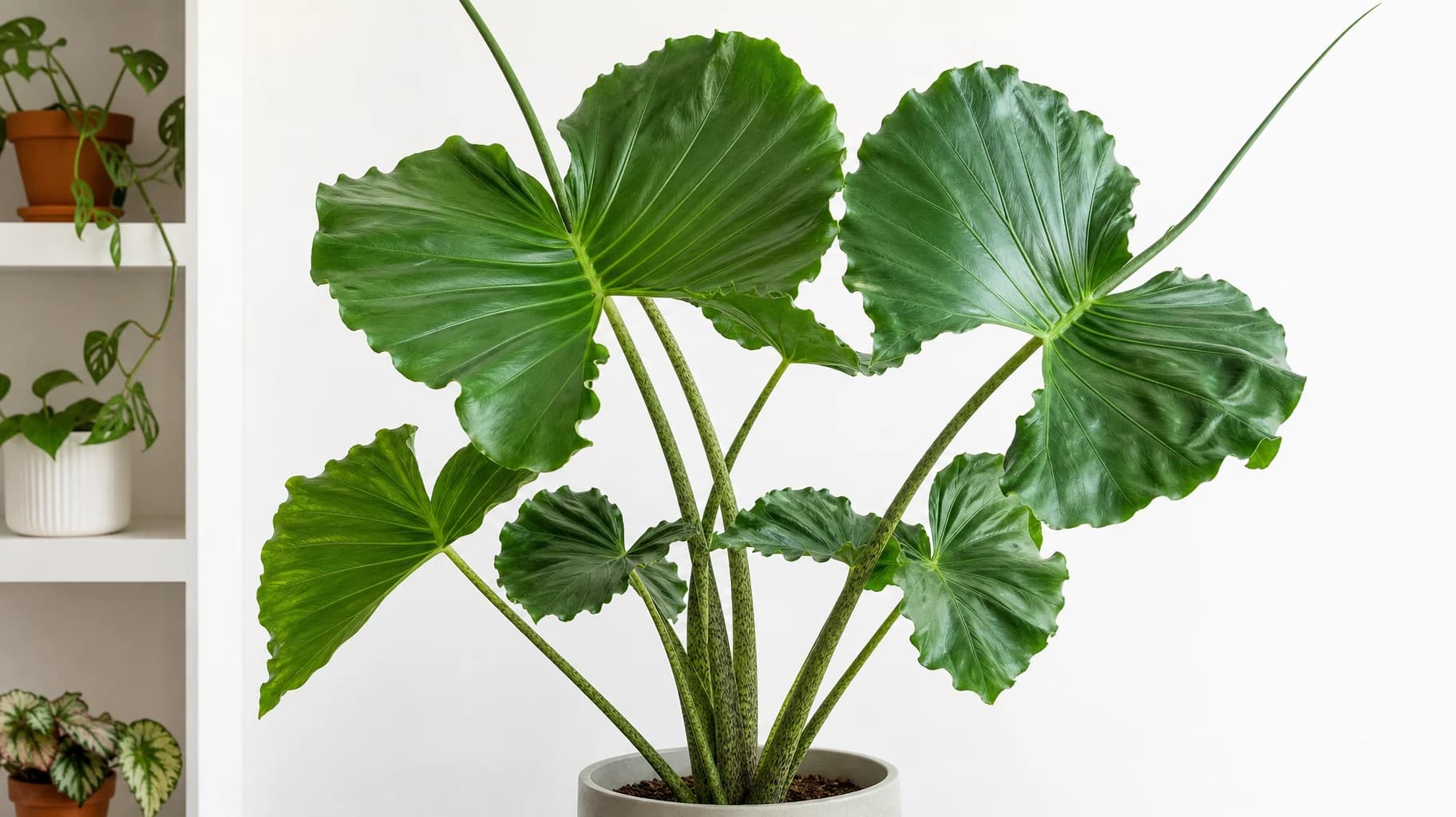
Alocasia Stingray
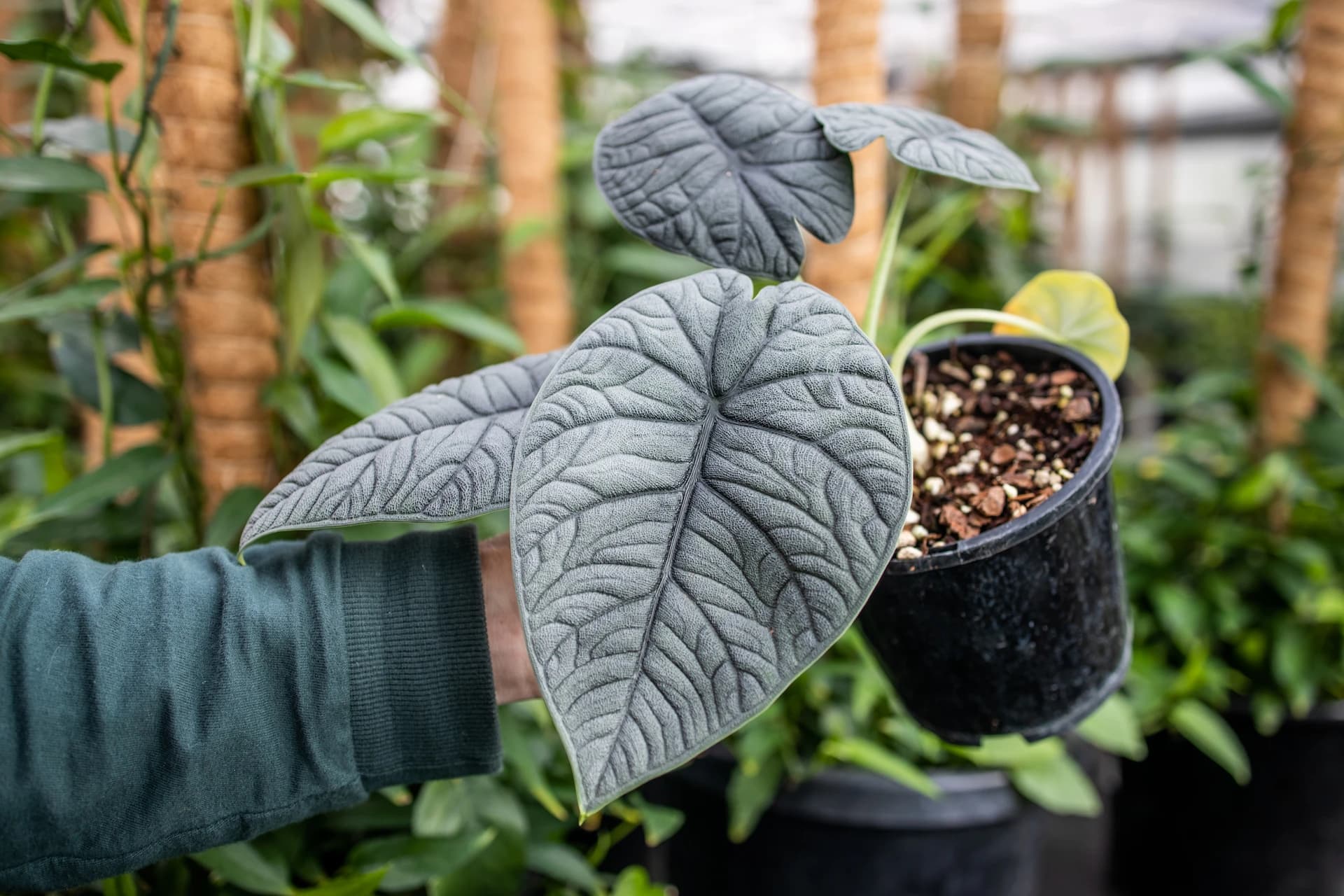
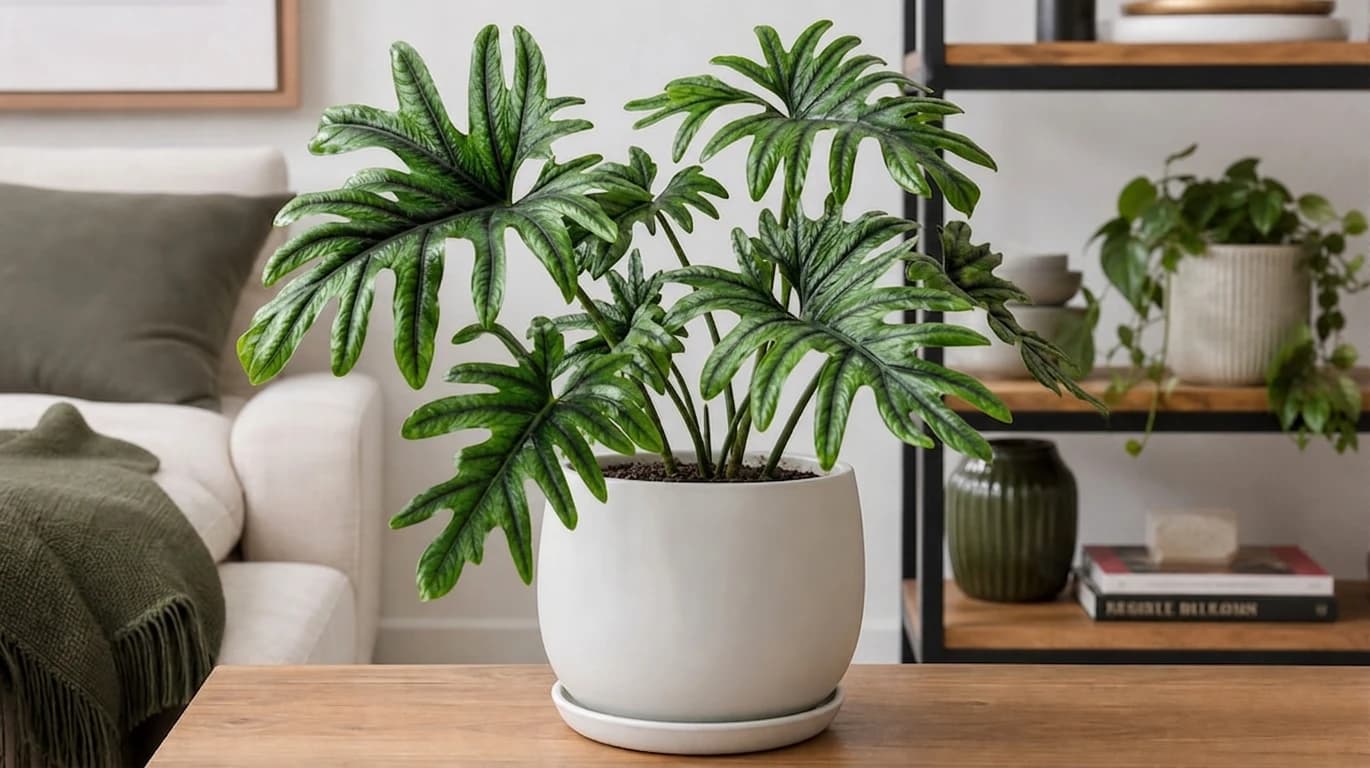
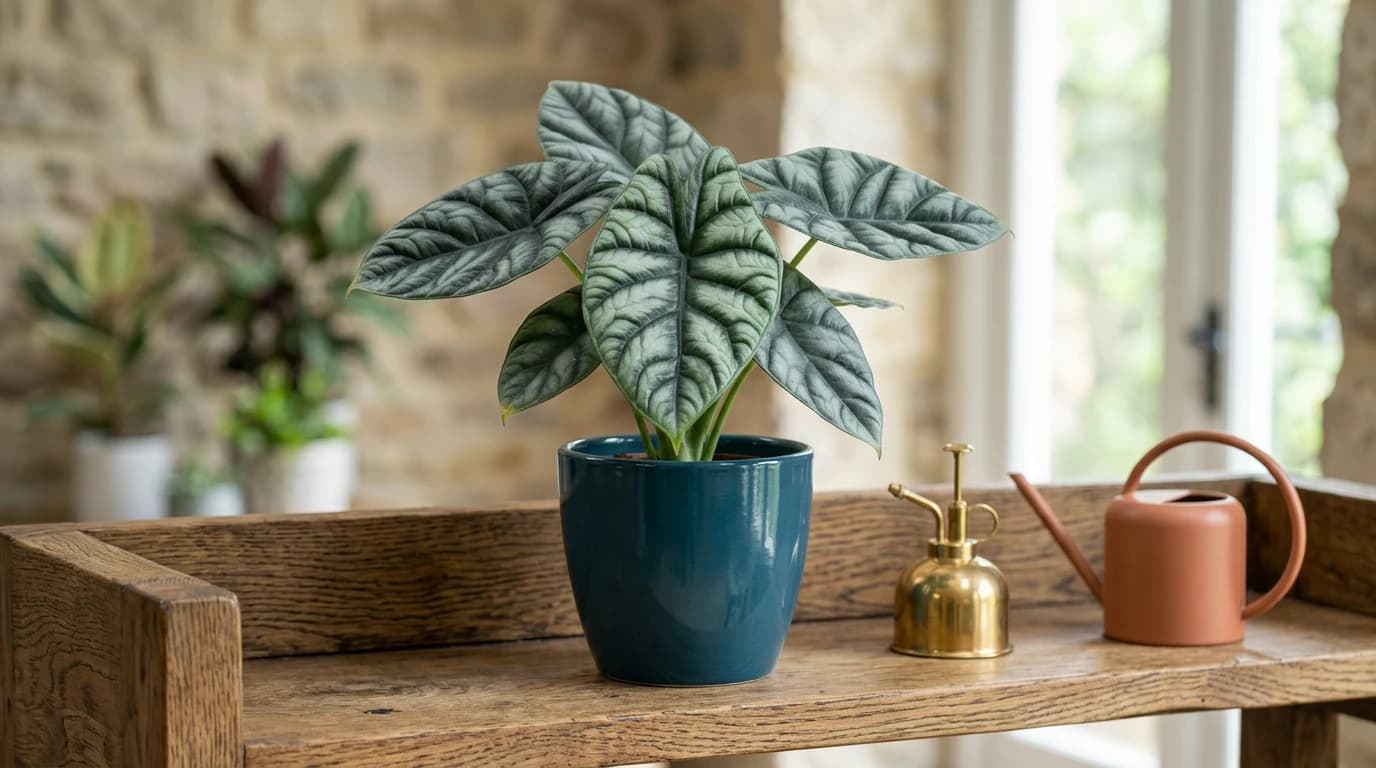
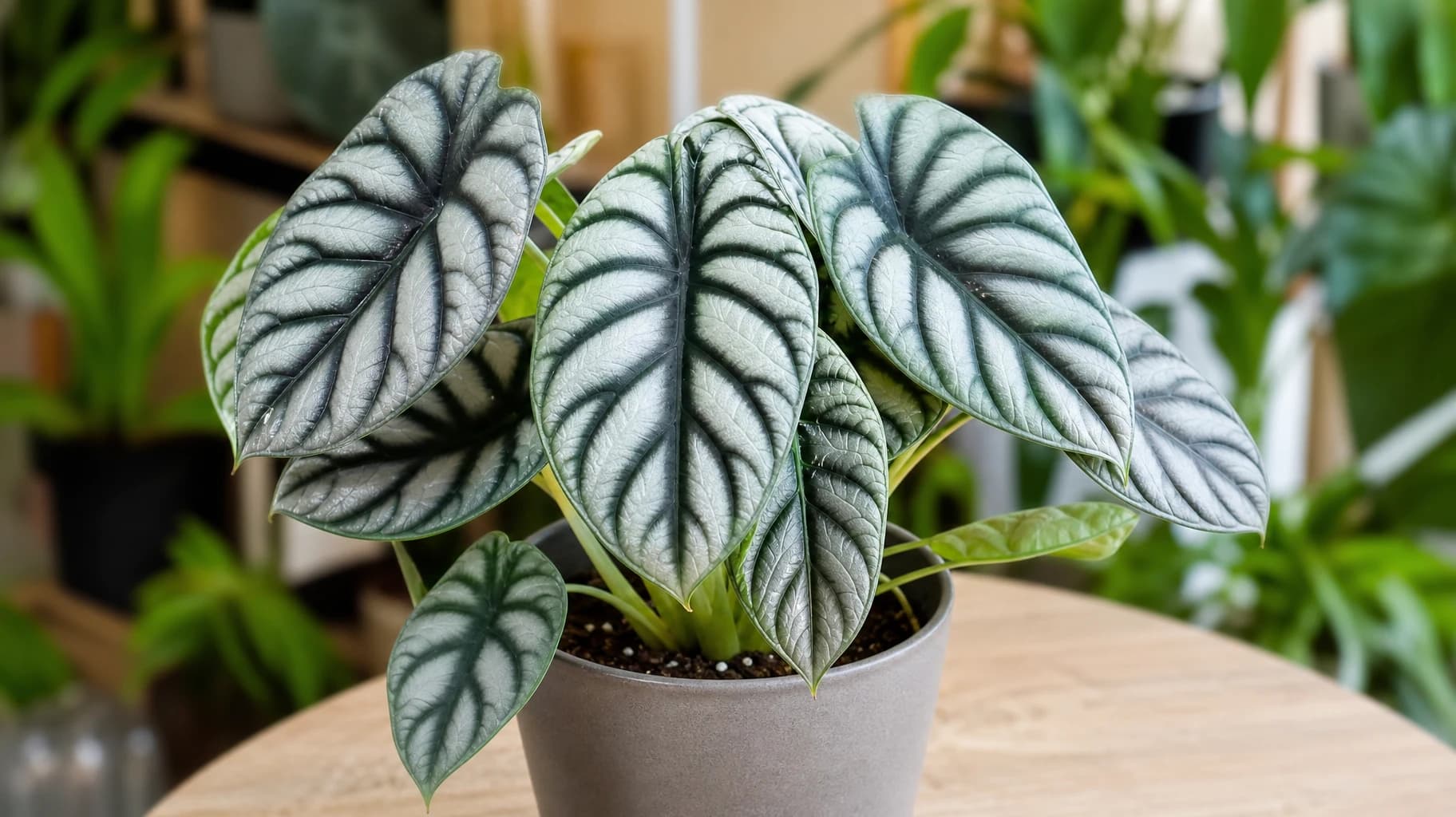
Alocasia 'Stingray' is sold in the trade as a distinct plant related to Alocasia macrorrhizos (giant taro), distinguished by a rounded, cupped leaf blade with wavy margins that tapers sharply into a long, whip-like drip-tip -- resembling a stingray's tail. It was reportedly found as an unusual leaf-form growing in Sarawak, Borneo, before being propagated commercially, first through Thai nurseries, then into wider trade in the early 2000s. Its exact origin is unresolved: most horticultural sources describe it as a spontaneous mutation/sport of macrorrhizos, but at least one source states some consider it a possible interspecific hybrid instead, without naming a second parent species. It stays far more compact as a houseplant than field-grown giant taro, which can reach 12-15 ft outdoors.
Young plant
Grown & mature
Variegation examples
Forms & market value
Every named form of this plant, ordered by how hard it is to find.
- Standard (green)Common
- AureaVery rare
- AlboVery rare
Tiers are relative, not exact prices — see “Before you buy” below.
Before you buy
Stingray's real variegation is the albo and aurea; the pricey ones are those, not the widely-photographed 'pink'.
- The 'pink stingray' is usually a sun-stress blush, not stable variegation — it greens up indoors, so don't pay a variegation premium for it.
- Genuine albo/aurea stingray is scarce and expensive; verify the pattern holds on older leaves, not just the newest flush.
Prices vary a lot by country — tiers show relative cost, not exact amounts.